
What is a satellite?
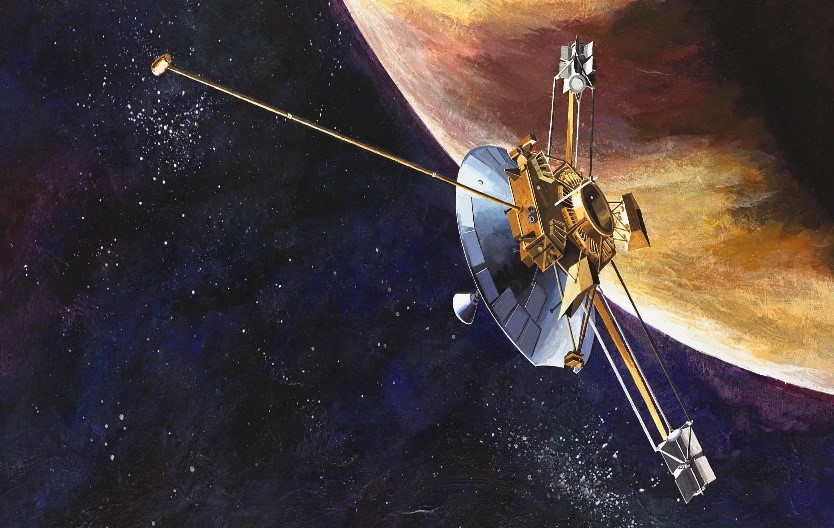
A satellite is a space object orbiting a large object. There are two types of satellites: natural (like the moon orbiting the Earth) or artificial (like the International Space Station orbiting the Earth).
There are countless natural satellites in the solar system, with almost all planets having at least one lunar month. Saturn, for example, has at least 53 natural satellites, and between 2004 and 2017, it also had an artificial one the Cassini spacecraft, which explored a planet with traps and moons.
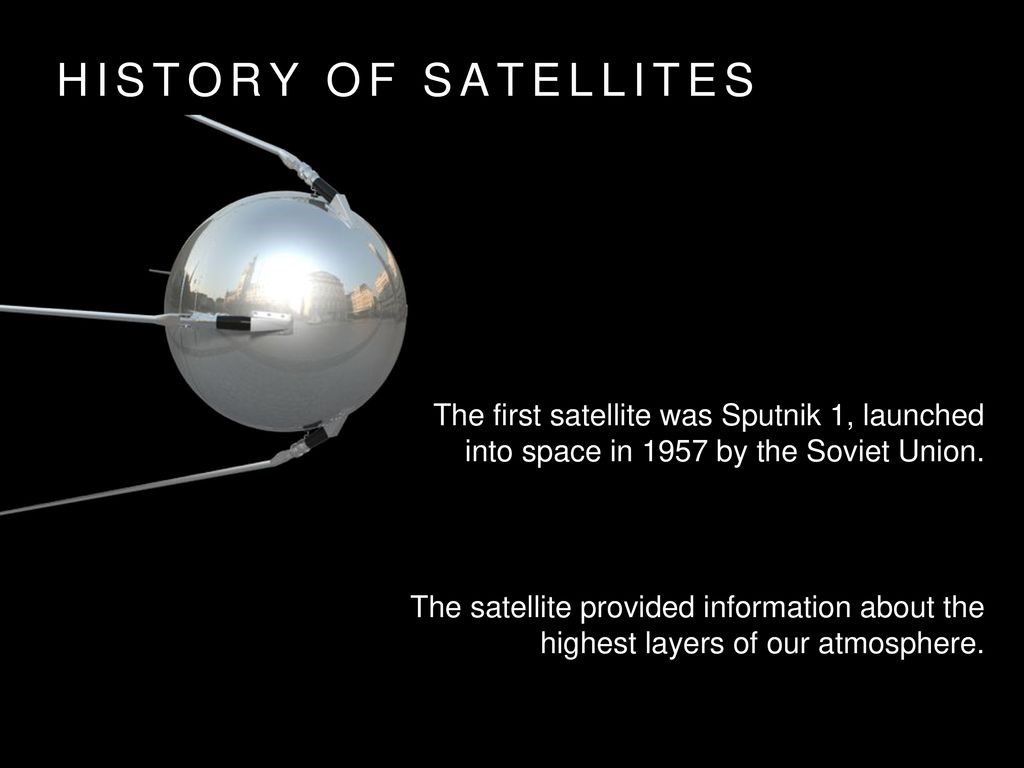
However, artificial satellites did not become real until the middle of the 20th century. The first synthetic satellite was Sputnik, a Russian ball-ball probe launched in Oct. 4, 1957. That act shocked many parts of the western world, as it was believed that the Soviets did not have the power to send satellites into space.
Following this, on November 3, 1957, the Soviet Union launched a larger satellite Sputnik 2 loaded with a dog named Laika. The first satellite in the United States was Explorer 1 on January 31, 1958. However, the weight of this satellite is only 2% of that of Sputnik 2, and it weighs 30 pounds (13 kg). Sputniks and Explorer 1 became the opening images of a space race between the United States and the Soviet Union that lasted at least until the late 1960s. With both countries sending people into space in 1961, satellite attention as a political tool began to give people space. Toward the end of this decade, however, the goals of the two countries began to differ. While the United States continues to allow people to sit on the moon and build space motorcycles, the Soviet Union built the world’s first space station, Salyut 1, launched in 1971. (Other space stations followed closely, such as Skylab in the United States and Mir in the Soviet Union)
Some countries are starting to send their satellites into space because the benefits are increasing in society. Weather satellites have improved forecasts, even in remote areas. Satellite observations as a Landsat series track changes in forests, water, and other parts of the earth over time. Telecom satellites make long-distance calls, and eventually live TV broadcasts from all over the world become a normal part of life. Recent generations have helped establish an internet connection. [Photo Gallery: Earth’s images from space: Landsat satellite heritage]
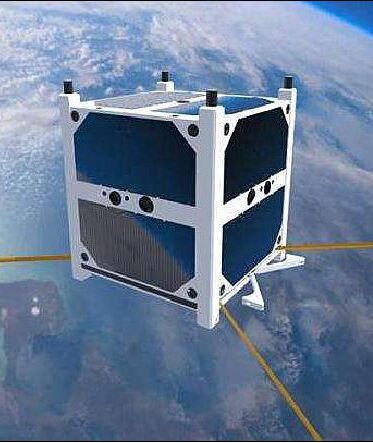
With the advent of small computers and other computer systems, it is now possible to launch small satellites that can perform scientific, communications, or other tasks in orbit. Companies and universities are now developing “cube satellites” or cube-shaped satellites, common in low-Earth channels.
Author : Imesha Samarasinghe
7th batch
Satellite and IT Division